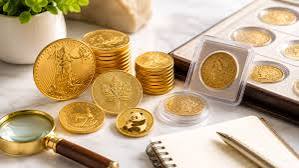
Gold coins and gold jewelry may contain the same precious metal, but buyers can assess them differently. A coin may carry bullion or collector value, while jewelry is often valued through karat purity, weight, condition, and resale potential.
Knowing what you own helps you ask better questions and protect value that might be missed during a basic metal-only evaluation.
What Are the Main Differences Between Coins and Jewelry?
A professional buyer such can examine both categories, but the valuation process should fit the item being presented.
- Primary value: Bullion coins track metal value, while jewelry may be assessed for gold content or resale appeal.
- Purity system: Coins show fineness or stated content, while jewelry commonly uses karat markings.
- Weight method: Coin specifications may be standardized, but jewelry can include stones and non-gold parts.
- Condition effect: Wear may affect collectible coins more sharply than ordinary scrap jewelry.
- Market premium: Recognized coins may trade above metal value because of demand, mint, or rarity.
- Supporting items: Coin capsules and certificates may matter more than ordinary jewelry packaging.
- Handling needs: Coins should be protected from cleaning, scratching, fingerprints, and unnecessary removal from holders.
| Factor | Gold coins | Gold jewelry |
| Purity | Fineness or stated content | Karat rating |
| Extra value | Mint, rarity, grade, demand | Brand, design, stones, condition |
| Damage impact | May reduce collector premium | Often still retains metal value |
| Typical review | Metal plus numismatic factors | Purity, weight, and resale potential |
How Are Gold Coins Evaluated?
A coin should be identified before anyone treats it only as scrap gold. Bullion and collectible coins follow different markets.
1. Bullion Content
Bullion coins are primarily valued through their precious-metal weight and fineness.
The current gold market provides a reference point. Bullion value may also include a premium tied to recognition and demand.
2. Mint and Coin Type
The issuing mint and specific coin series can influence buyer familiarity and market activity.
Recognized products may be easier to price and resell. Coin identity should be confirmed before an offer is calculated.
3. Rarity and Mintage
Some coins exist in limited numbers or have dates and varieties that collectors actively seek.
Rarity must be verified, not assumed from age alone. Scarcity value can sometimes exceed the underlying gold content.
4. Grade and Condition
Collectors examine surface preservation, strike quality, wear, marks, and other grading factors.
Cleaning can permanently reduce collector appeal. Original surfaces should be protected until an informed assessment is completed.
5. Certification and Packaging
A professionally graded holder may provide authentication and grade information from a recognized service.
Original capsules or certificates can also support identification. Supporting materials should remain with the correct coin.
6. Buyer Expertise
A buyer should be able to distinguish ordinary bullion from a coin with possible collector value.
People ready to sell gold coins to SSAJ should request a coin-specific evaluation before accepting a melt-based offer.
How Is Gold Jewelry Evaluated?
Jewelry may be wearable, broken, branded, set with stones, or made from several materials. Those details shape how the item is assessed.
Karat Purity
Karat markings indicate the proportion of gold in the alloy. Common examples include 10K, 14K, and 18K.
A stamp is helpful but may still require testing. Verified purity determines how much of the eligible metal weight is gold.
Eligible Weight
Jewelry weight may include stones, clasps, springs, solder, or other components.
The buyer should explain which weight enters the calculation. Transparent weighing makes the offer easier to understand.
Stones and Settings
Diamonds or gemstones may be evaluated separately, excluded from the offer, or returned.
Do not assume stones are automatically included. Separate assessment clarifies which parts of the piece the buyer is purchasing.
Brand and Design
Some designer, antique, or distinctive jewelry may have resale value beyond its metal content.
Ordinary pieces may be assessed mainly as gold. Resale potential should be considered before an item is treated as scrap.
Condition
Broken jewelry can retain value because the gold remains present even when the piece is not wearable.
Condition matters more when an item can be resold intact. Scrap value usually depends more on purity and weight.
Repair Costs
Repairing jewelry before selling does not always produce a higher net return.
Ask how the buyer plans to value the item first. Unnecessary repair costs can reduce the money left after the sale.
How Should You Prepare Coins and Jewelry for Sale?
Coins and jewelry should not be handled in exactly the same way. Protect the item before the evaluation and keep related materials together.
- Identify each item: Separate coins, jewelry, bullion, watches, stones, and unknown pieces.
- Do not clean coins: Polishing can damage surfaces and reduce possible collector value.
- Clean jewelry gently: Remove light surface dirt without harsh chemicals or abrasive tools.
- Keep documentation: Bring receipts, certificates, grading holders, branded boxes, and repair records.
- Protect loose items: Store coins in holders and place jewelry fragments in separate labeled bags.
- Request an explanation: Ask how purity, weight, grade, rarity, condition, and premiums affect the offer.
- Compare carefully: Evaluate both the amount offered and the method used to reach that amount.
Conclusion
Gold coins and jewelry can hold the same metals, but buyers do not always value them the same way. Coins may carry bullion or collector premiums tied to mint, rarity, grade, and demand. Jewelry is often assessed through karat purity, weight, condition, design, and brand. Identify the item first, protect packaging, avoid cleaning coins, and request an evaluation that explains every source of value.