Managing a small business is associated with uncertainty. The supplier invoice comes a bit too early for comfort, a slow season lasts a little longer than anticipated, or an opportunity for growth comes at the exact wrong time. They are not extraordinary situations. According to the Federal Reserve’s 2026 Small Business Credit Survey, 56% of small business owners sought financing specifically to cover operating expenses, while another 46% needed it to pursue an expansion or new opportunity.
A business credit line is one of the most practical tools in the arsenal to address both needs and without having to lock a business to fixed financing payments. Knowing what it is, how it works, and what it costs could make a significant difference in how a business owner manages money through the year.
What Is a Business Credit Line?
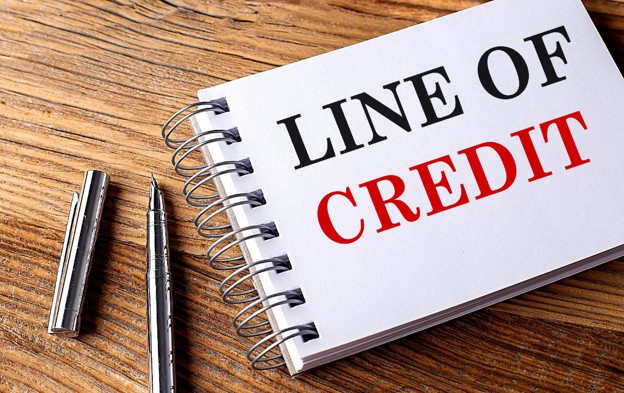
A business credit line is a revolving credit facility, meaning the business has been approved to borrow up to a certain limit and can withdraw money, repay and withdraw again without re-applying for funding. For small businesses, credit limits typically fall between $10,000 and $500,000, although larger commercial lines can extend into the millions. The structure is similar to that of a credit card, but it is made specifically for business use, has higher limits, and usually has lower interest rates than a business credit card.
The main difference with a standard term financing option is clear: in term funding the business gets the entire amount and immediately starts to pay interest on the full amount. With a business credit line, interest only accrues on the portion that is drawn. In that case, the interest obligation is formulated from $15,000 and not from the entire balance.
How Does a Business Credit Line Actually Work?
The mechanics are easier than most business owners think.
- Approval and credit limit: The lender evaluates the business’s finances, especially the credit score, revenues, and banking records before setting a credit limit.
- Getting money: Once the business credit line is open, the business owner can take out any amount up to the limit into the business bank account directly.
- Repayment: The available credit rises on the payments made. The owner chooses when and in what way to withdraw money, while they retain the ability to initiate further borrowings at any time, provided that the previously made draws do not exceed the approved borrowing limit.
- Ramp Interest: You only pay interest on what you draw and not the entire credit limit.
In real life, this means that if you take out $20,000 from a $50,000 credit line, pay back $10,000, and then borrow $40,000 again. It happens again and again.
What Kind of Business Credit Line Can a Small Business Actually Get?
Not all business credit lines are set up the same way, and choosing the wrong one can cost you more than you thought.
● Secured Business Credit Line
Needs collateral, like equipment, inventory, or money owed. In return, lenders usually give businesses with established assets higher credit limits and lower interest rates, which makes it a better choice.
● Unsecured Business Credit Line
No collateral is needed, which makes it easier to get, especially for business owners looking for an online business line of credit through a digital lender. Trade-off: higher rates and stricter credit requirements.
The first real step in picking the right product is knowing which type fits the business profile.
What are Lenders Looking for in a Business Credit Line Application?
For a business credit line, most lenders have a consistent set of factors that a lender evaluates. For 2026, eligibility includes three primary criteria, namely, a personal credit score, time in the business, and bank-verified revenue.
Minimum Standards by Type of Lender
- Traditional banks want businesses with a credit score of 680 or higher, been in business for at least two years, and made more than $100,000 in sales each year.
- Online and alternative lenders will work with you if your credit score is between 550 and 625, you have been in business for at least six months, and your annual revenue is at least $75,000.
Most of the time, you need to present three to six months’ worth of business bank statements, recent tax returns, a business license, and proof of income. If looking for an online business line of credit from a fintech platform, the same process tends to be faster. Online lenders take 24 to 72 hours to approve applications, something that banks can not match.
One thing most lenders will not tell upfront is that a borrower with ‘average’ credit but steady, consistent deposits has more options than a person with a stronger score but unstable cash-flow. The patterns obtained via bank statements are as important as the numbers themselves.
Conclusion
A business credit line is not a complicated product; it’s a useful, revolving tool that lets small business owners decide when and how to get money. The basics are the same whether you are looking for a traditional bank funding or an online business line of credit from a digital lender. You should only borrow what you need, pay interest on that amount, and add to the available credit as you make payments. If you’re a business owner who wants to grow, stabilize, or just stop worrying about cash flow gaps, learning how to get a business credit line and use it wisely is a good idea.