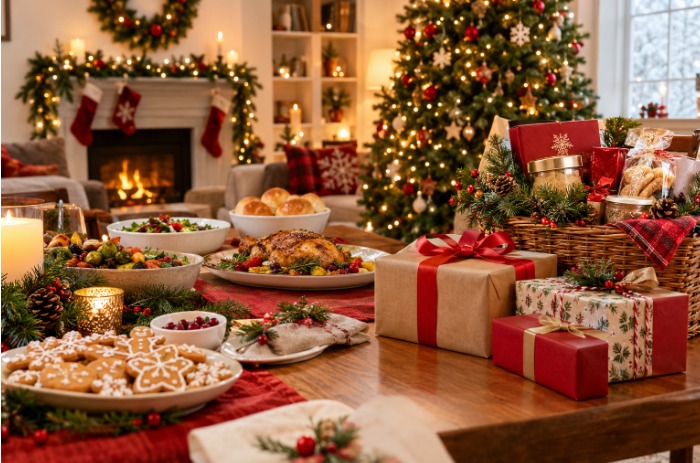
Christmas is more than a date on the calendar. It is a time to reconnect with family, appreciate friends, share meals, and create memories that last long after the decorations come down. Whether you prefer a lively gathering with relatives or a quiet evening at home, the best celebrations are often built around simple moments that bring people closer together.
Planning a memorable holiday does not require an extravagant budget or an elaborate schedule. A thoughtfully decorated home, a delicious meal, a few meaningful traditions, and gifts chosen with care can make the occasion feel special. The key is to focus on what matters most to you and the people celebrating alongside you.
If you are wondering how to celebrate Christmas in a way that feels personal and enjoyable, there are plenty of ideas to explore. From preparing seasonal recipes to organizing fun activities and selecting thoughtful presents, a little planning can turn an ordinary holiday into something unforgettable.
1. Create a Warm and Festive Atmosphere at Home
The atmosphere of a Christmas celebration often begins before the first guest arrives. Decorations, lighting, music, and familiar seasonal scents can make a home feel welcoming and festive.
Choose Decorations That Reflect Your Style
A traditional Christmas look might include a decorated tree, red and green accents, wreaths, and ornaments collected over the years. If you prefer a more modern approach, consider neutral colors, natural greenery, wooden decorations, and warm white lights.
You do not need to decorate every corner. Focus on a few areas where people naturally gather, such as the living room, dining table, entrance, and fireplace.
Consider these simple decorating ideas:
- Hang a wreath on the front door to welcome visitors.
- Use string lights to create a cozy evening atmosphere.
- Display family photographs or handmade ornaments.
- Add candles or seasonal centerpieces to the dining table.
- Reuse decorations from previous years to keep costs manageable.
Make the Experience Personal
Personal touches can make decorations more meaningful than expensive purchases. Invite children to create paper snowflakes, let family members choose their favorite ornaments, or display photographs from previous Christmas celebrations.
These small activities also provide an opportunity to spend time together before the main festivities begin.
2. Plan a Christmas Meal Everyone Can Enjoy
Food is often at the heart of Christmas celebrations. A shared meal gives people time to talk, reconnect, and enjoy familiar traditions.
Your menu can be traditional, inspired by your family’s cultural background, or built around everyone’s favorite dishes. Roasted vegetables, baked potatoes, seasonal salads, homemade desserts, and comforting main courses can all contribute to a memorable spread.
Prepare the Menu in Advance
Planning ahead makes hosting less stressful. Write down the dishes you want to serve, check which ingredients you already have, and identify recipes that can be prepared before Christmas Day.
A practical menu might include:
- A main course suited to your guests’ preferences.
- Two or three vegetable or side dishes.
- Bread, salads, or other easy additions.
- A dessert such as fruitcake, cookies, pudding, or pie.
- A selection of non-alcoholic beverages for guests of all ages.
Remember to ask about dietary requirements and allergies when planning the meal. Providing vegetarian options and clearly identifying common allergens helps everyone feel considered.
Turn Cooking Into a Group Activity
Instead of managing the entire meal alone, assign simple tasks to family members. One person can prepare a dessert, another can arrange the table, and someone else can handle drinks or music.
Cooking together can become a tradition of its own. It also reduces the pressure on the host and gives guests a chance to contribute to the celebration.
3. Choose Thoughtful Christmas Gifts
Gift-giving is a familiar part of Christmas, but choosing the right present can sometimes feel challenging. The most meaningful gifts are not necessarily the most expensive. They reflect the recipient’s interests, personality, and relationship with the giver.
Before shopping, consider what the person enjoys, what they might find useful, and whether a shared experience would be more meaningful than a physical item.
Match the Gift to the Recipient
Different people appreciate different kinds of presents. A book lover might enjoy a new release, while someone who enjoys cooking may prefer a kitchen accessory or gourmet food hamper. Personalized keepsakes, cozy home accessories, and experience-based gifts can also make thoughtful choices.
For adults who enjoy entertaining or discovering new drinks, Christmas wine gift sets can be one option to consider. Depending on the recipient’s preferences, these sets may combine a bottle with chocolates, gourmet snacks, or presentation accessories.
Curated selections from DC Wine & Spirits offer examples of festive gift baskets and sets for eligible adult recipients. As with any alcohol-related gift, consider the recipient’s preferences, applicable age requirements, and local delivery regulations. A gourmet food hamper or non-alcoholic gift is a suitable alternative when alcohol is not appropriate.
Make the Presentation Special
Even a simple present can feel more thoughtful when it is wrapped with care. Choose reusable gift bags, recycled wrapping paper, fabric ribbons, or small handwritten cards.
A personal message explaining why you chose the gift can mean more than an elaborate package. If you are sending a present to someone who lives far away, arrange delivery early and confirm the address and expected arrival date.
4. Organize Activities That Bring Everyone Together
Christmas celebrations are more enjoyable when guests have opportunities to participate rather than simply sit around a table. Choose activities that suit the ages, interests, and energy levels of the people attending.
Try Classic Holiday Games
Games are an easy way to encourage conversation and laughter. You could organize a Christmas quiz, a festive charades session, a board-game tournament, or a holiday-themed scavenger hunt for children.
A gift exchange can also be fun, particularly when participants agree on a spending limit or choose a theme such as handmade gifts, books, or useful everyday items.
Keep the activities flexible. Not everyone enjoys competitive games, so leave room for people to relax, chat, or participate at their own pace.
Start a Family Tradition
Traditions give Christmas a sense of continuity. They do not have to be complicated or expensive to become meaningful.
For example, your family could:
- Watch the same holiday movie every Christmas Eve.
- Bake cookies together using a family recipe.
- Take a group photograph in the same location each year.
- Read a favorite holiday story before bedtime.
- Share one thing each person appreciated during the year.
Over time, these repeated activities can become the moments everyone looks forward to most.
5. Make Christmas More Meaningful Through Giving
Christmas can also be an opportunity to support people who may need extra help. Acts of generosity can make the holiday more meaningful while reminding everyone that celebration is about more than decorations and presents.
Consider donating food or warm clothing to a local organization, contributing to a community fundraising effort, or volunteering at an event that supports people experiencing hardship.
You can also encourage children to participate by helping them choose toys or books to donate. Explain why the donation matters and let them take part in the process.
Kindness does not have to involve money. Visiting an elderly relative, checking on a neighbor who lives alone, or making time for someone who has had a difficult year can be just as valuable.
6. Plan a Christmas Celebration That Fits Your Budget
Holiday spending can grow quickly when gifts, meals, decorations, travel, and entertainment all compete for attention. Setting a realistic budget helps you enjoy the occasion without unnecessary financial pressure.
Set Priorities Before Shopping
Start by deciding how much you can comfortably spend. Divide that amount into categories such as food, gifts, decorations, travel, and activities.
You can reduce costs by reusing decorations, preparing meals at home, shopping early, and agreeing on modest gift exchanges with friends or extended family.
For larger gatherings, consider a shared meal where each guest brings one dish. This approach spreads the workload and can make the celebration more collaborative.
Focus on Experiences Instead of Expenses
Some of the best Christmas memories cost very little. A walk to see neighborhood lights, an afternoon baking cookies, a family movie night, or a homemade gift exchange can create a warm atmosphere without stretching your budget.
Avoid comparing your celebration with carefully edited holiday images on social media. Your Christmas does not need to look like anyone else’s to be enjoyable.
7. Remember That Christmas Is About Connection
With so much attention placed on shopping, travel, and hosting, it is easy to overlook the people at the center of the celebration. Making time for meaningful conversations can help everyone feel included.
If family members live far away, arrange a video call or send a handwritten letter. If someone is attending alone, offer an invitation or check whether they would appreciate a visit. Small gestures can help bridge distance and make people feel remembered.
It is also helpful to leave some unscheduled time during the holiday. A packed itinerary can turn a joyful occasion into another source of stress. Allow room for quiet mornings, spontaneous conversations, and moments when everyone can simply enjoy being together.
Frequently Asked Questions
What are some simple ways to celebrate Christmas at home?
Decorate a shared space, prepare a favorite meal, watch a holiday movie, play games, bake seasonal treats, or exchange thoughtful gifts. Simple activities can make the day special without requiring extensive planning.
How can I celebrate Christmas on a small budget?
Set a spending limit, reuse decorations, cook at home, organize a potluck, and consider handmade presents or shared experiences. Prioritizing time together over expensive purchases can make the holiday both meaningful and affordable.
What are good Christmas gift ideas for adults?
Useful accessories, books, gourmet food hampers, personalized keepsakes, hobby-related items, and experience gifts are all possibilities. Choose according to the recipient’s interests rather than assuming everyone wants the same kind of present.
When should I start planning Christmas?
Beginning several weeks in advance gives you time to plan meals, prepare decorations, organize travel, and purchase gifts without rushing. If you are sending presents to another location, allow additional time for shipping and delivery.
How can I make Christmas more meaningful for my family?
Create traditions that encourage participation, share stories, volunteer together, and make time for relatives and friends. Even a small annual ritual can become an important part of family life.
Conclusion
Learning how to celebrate Christmas well is less about following a perfect formula and more about creating an atmosphere where people feel welcome, appreciated, and connected. Thoughtful decorations, shared meals, engaging activities, meaningful presents, and acts of kindness can all contribute to a memorable holiday.
Start with a few ideas that fit your family’s interests and budget, then build traditions that feel natural over time. Whether your celebration involves a large gathering or a peaceful evening at home, the most lasting memories often come from the simplest moments spent with people who matter.
Ultimately, Christmas is an opportunity to slow down, express gratitude, and make room for generosity. When those values guide your plans, even a modest celebration can become a cherished annual tradition.